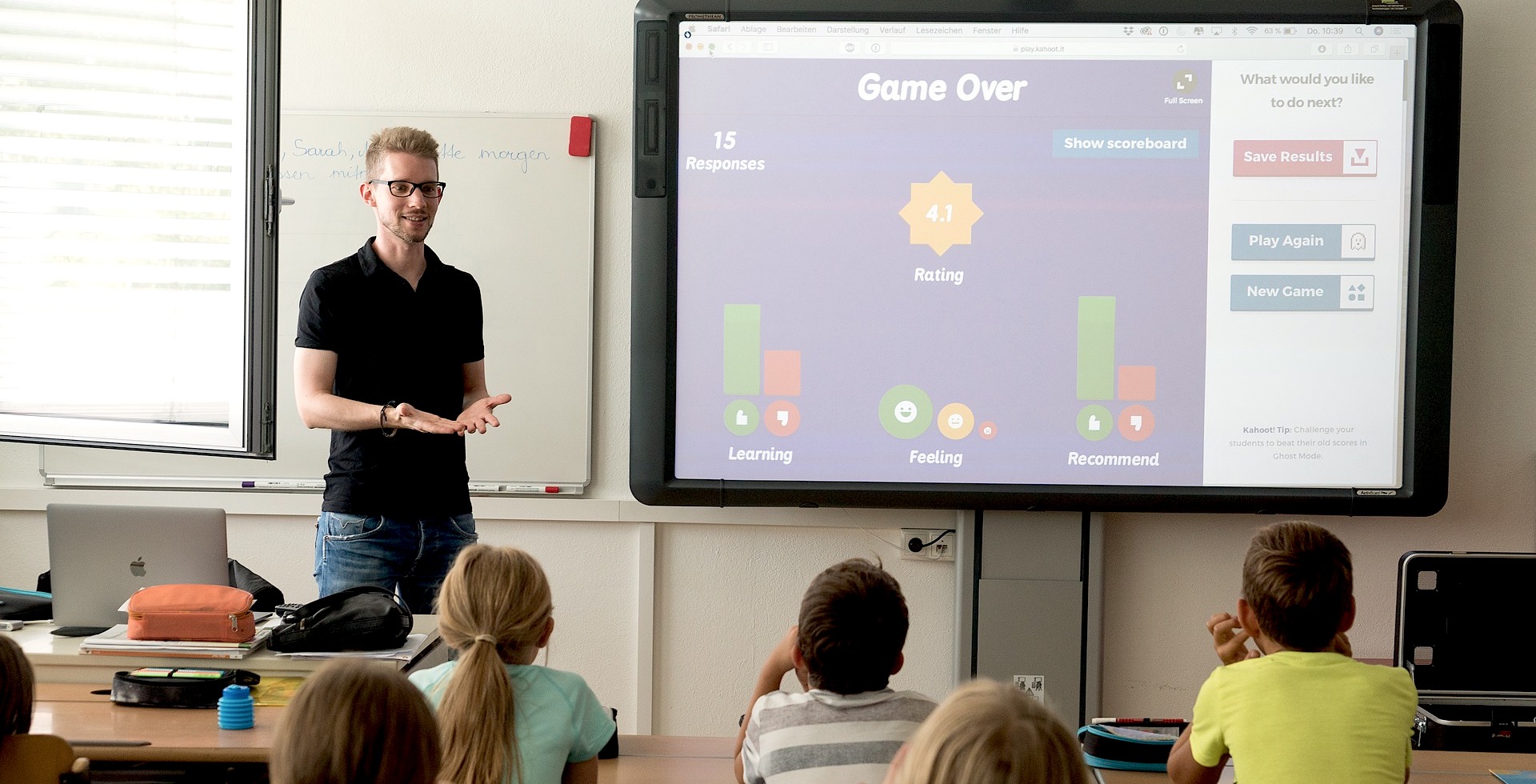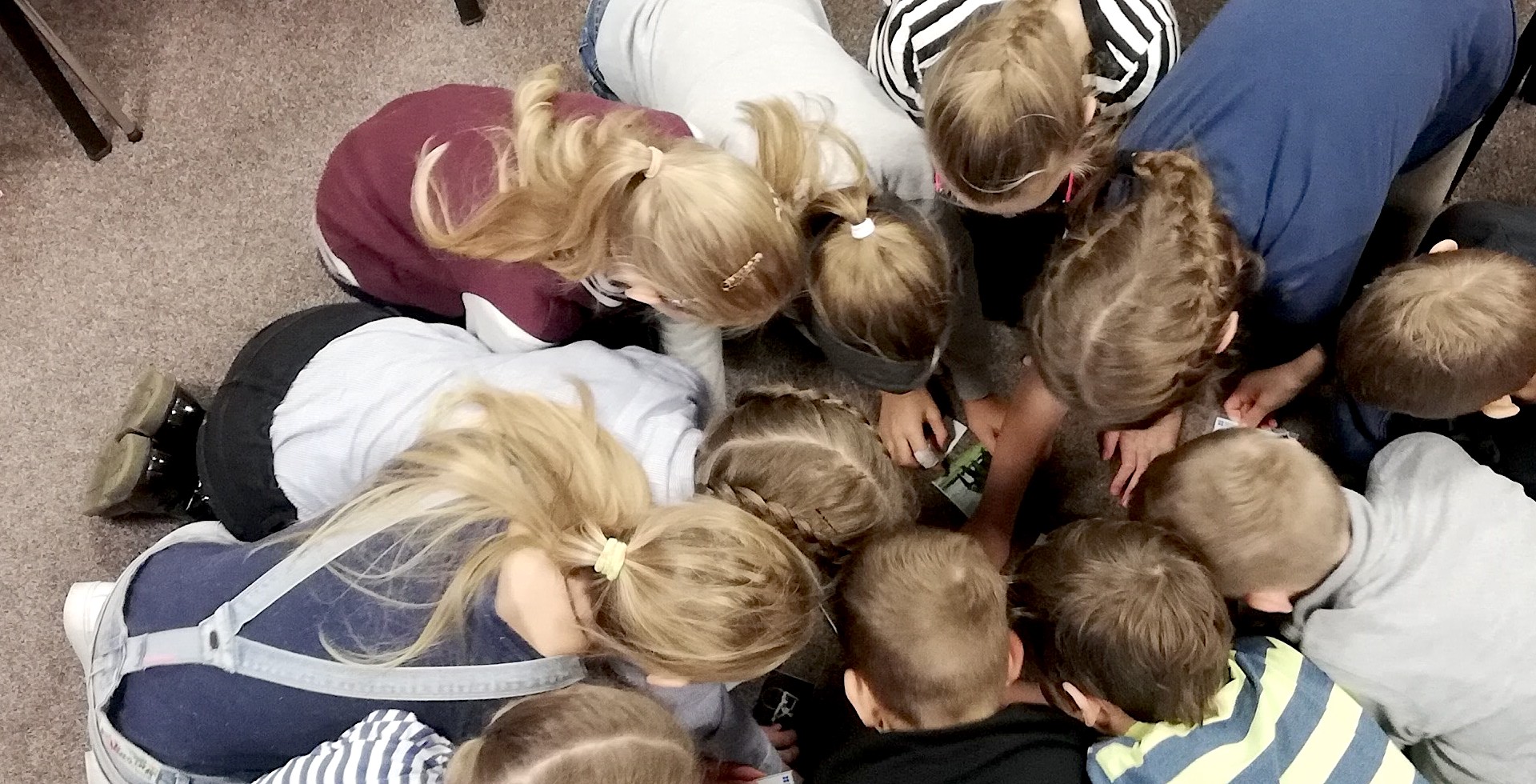
Have you ever had a student ask: “Why are we playing games?” I haven’t. They usually ask: “What are we going to play?” or “Can we play this again next time?” Kids love playing games, but is that reason enough to use them in your classroom? Well, it’s one reason and a very good one, but not the only reason. In this blog, I will give you 7 more reasons why playing games is not just a good idea, it’s the best idea.
- Games trigger curiosity
Curiosity didn’t kill the cat, boredom did. Everybody is curious. Curiosity is an instinct that is hard-wired into our DNA. To explore, to investigate, to find out is not only natural, it is life-enhancing. Games can help trigger curiosity and how simple this can be, I realized a few years ago when teaching a group of seniors.
Asking questions is an important language skill, but also one that can become easily tedious when practiced frequently in the lessons. I had a hard time getting my seniors to ask simple questions about some items. However, the moment I put them in a black box, they all wanted to know what was in it. I got the practice I wanted and they needed without any effort. Making two teams (grandpas vs grandmas) and keeping score, turned it into a real game (Mystery Item) and they asked questions happily ever after.
- Play when you learn
Every parent knows that toddlers learn when they play. It’s natural and stress-free. So, when kids go to school, it is kind of strange that games are usually seen as a trivial time-filler or a break from learning. While games, when used correctly, will not only take the stress out of learning and engage students, playing games will also help them succeed naturally.
- Games increase speaking time
In the classroom, getting kids to speak is one of the hardest things to do. It puts students on the spot, makes them self-conscious and is often stressful. Games offer a lot of opportunity to communicate without all these barriers as the focus is not on speaking but on moving ahead in the game. It also allows for a more equal distribution of speaking time as it usually involves taking turns. And once the kids know the game, the teacher can take herself out of the loop, allowing for more space and time for the students to communicate among themselves.
- Games repeat and internalize
The nature of games is such that you usually end up repeating steps endlessly. This allows for putting language in place that will therefore be practiced endlessly. Moreover, as it also involves taking turns, stronger students can lead the way and weaker students can simply apply ‘copy/paste’. It is the teacher’s job to make sure that what is practiced is internalized correctly.
- Game rules are your friend
Every game has rules and if you know what you want your students to practice, you can always tweak them to your needs. For example, in a game where two teams need information from each other to score points, the rule can be that they only need to provide that information if they receive a grammatically correct question from the other team. Try it, you’ll see what happens 😊.
- Drink your coffee
Teachers don’t always get it when I tell them to drink their coffee too. “What do you mean ‘drink my coffee’? I’m teaching!” My point is that if they are able to drink their coffee, they have found a way for kids to learn without them having to do all the work. Games can make this happen if you set them up carefully and repeat them regularly. And while your students are playing (and learning) and you are drinking your coffee, you will have a chance to observe the group dynamics, connect at a personal level and provide help where necessary. I’d say: the more coffee you drink, the better!
- It’s fun
Learning is so much easier when you are having fun. I think all of us have experienced this at some time or another. Games are fun. And, if you use them correctly, they are the best way to learn a language.
Ready to make games in your classroom work for you? Sign up for FREE to the Class Academy today and you will get access to our entire library of Smart Class Games, tips & tricks and supporting material to turn your classroom into a learning playground tomorrow.